
Choosing the Right Fire Extinguisher: Essential Fire Safety Equipment for Your Business
- Ray Palmer
- Mar 25
- 4 min read
When it comes to protecting your business, choosing the right fire safety equipment is crucial. Fires can start unexpectedly, and having the correct tools on hand can make all the difference. One of the most important pieces of equipment is a fire extinguisher. But not all fire extinguishers are the same. Selecting the right type for your workplace ensures you can act quickly and effectively if a fire breaks out.
In this post, I’ll guide you through everything you need to know about choosing the right fire safety equipment, focusing on fire extinguishers. I’ll explain the different types, how to match them to your business needs, and practical tips to keep your workplace safe and compliant.
Understanding Fire Safety Equipment for Your Business
Fire safety equipment is more than just a legal requirement. It’s a vital part of your health and safety strategy. The right equipment helps you reduce risks, protect your people, and safeguard your reputation. For UK businesses, compliance with fire safety regulations is mandatory, but it also makes good business sense.
When selecting fire safety equipment, consider the specific risks in your workplace. For example, a kitchen or workshop will have different hazards compared to an office. This means the fire safety equipment you choose must be tailored to those risks.
Here are some key points to keep in mind:
Assess your workplace risks: Identify potential fire hazards and the types of materials present.
Choose equipment that matches those risks: Different fires require different extinguishing agents.
Ensure equipment is accessible and visible: Staff should know where to find it and how to use it.
Regular maintenance and checks: Fire safety equipment must be inspected and serviced regularly to remain effective.
By focusing on these areas, you can create a safer environment and meet your legal obligations with confidence.

How to Choose the Right Fire Safety Equipment for Your Business
Choosing the right fire safety equipment starts with understanding the types of fires that could occur in your workplace. Fires are classified into different categories based on the materials involved. This classification helps determine which equipment is suitable.
Here’s a simple approach to selecting the right equipment:
Identify fire risks: Look at your business activities and materials. Are you dealing with flammable liquids, electrical equipment, or cooking oils?
Match equipment to fire types: Use the fire classification system to find the right extinguisher or safety device.
Consider the size and layout of your premises: Larger spaces may need multiple extinguishers or additional equipment like fire blankets.
Train your staff: Make sure everyone knows how to use the equipment safely and effectively.
Consult with experts: If you’re unsure, seek advice from fire safety professionals who understand UK regulations and your industry.
Remember, the right fire safety equipment is not just about compliance. It’s about being prepared to protect your people and property.
What are the 4 types of fire extinguishers?
Understanding the four main types of fire extinguishers is key to making the right choice. Each type is designed to tackle specific classes of fire. Here’s a breakdown:
1. Water Fire Extinguishers (Class A)
Use: Suitable for fires involving solid materials like wood, paper, and textiles.
Not for: Electrical fires or flammable liquids.
Example: Ideal for offices or warehouses with lots of paper and packaging.
2. Foam Fire Extinguishers (Class A and B)
Use: Effective on fires involving solids and flammable liquids such as petrol or paint.
Not for: Electrical fires.
Example: Useful in garages or workshops where flammable liquids are stored.
3. Carbon Dioxide (CO2) Fire Extinguishers (Class B and Electrical)
Use: Best for electrical fires and flammable liquids.
Leaves no residue, so it’s great for sensitive equipment.
Example: Perfect for server rooms or offices with lots of electrical devices.
4. Dry Powder Fire Extinguishers (Class A, B, C)
Use: Versatile and can be used on solids, liquids, and gases.
Not ideal: Indoors or in confined spaces due to powder residue.
Example: Suitable for industrial settings with mixed fire risks.
Knowing these types helps you pick the right extinguisher for your business environment. Using the wrong type can be dangerous and ineffective.
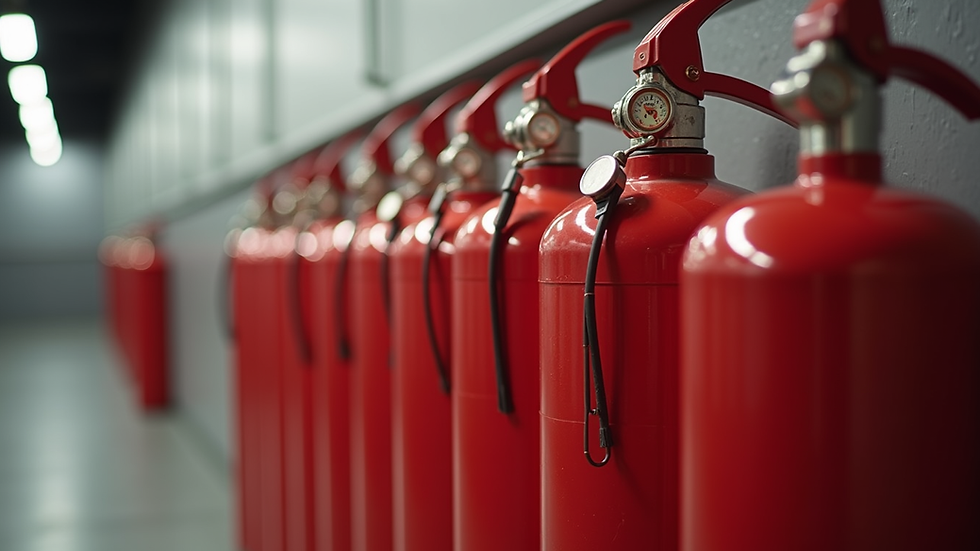
Practical Tips for Maintaining Your Fire Safety Equipment
Having the right fire safety equipment is only part of the solution. Regular maintenance and checks are essential to ensure everything works when you need it most. Here are some practical tips:
Schedule regular inspections: UK regulations require fire safety equipment to be checked at least once a year by a competent person.
Check pressure gauges: Make sure the extinguisher is fully charged and ready to use.
Look for damage or corrosion: Replace or repair any damaged equipment immediately.
Keep equipment accessible: Don’t block fire extinguishers or safety devices with furniture or stock.
Train staff regularly: Conduct refresher training sessions so everyone stays confident in using the equipment.
Record all maintenance: Keep detailed logs of inspections, servicing, and training for compliance purposes.
By following these steps, you’ll keep your fire safety equipment in top condition and your business protected.
Taking Fire Safety Equipment Seriously Protects Your Business
Choosing the right fire safety equipment is a smart investment in your business’s future. It helps you meet legal requirements, reduce risks, and protect your people and assets. Remember, fires can happen anywhere, but being prepared makes all the difference.
If you’re unsure about what equipment you need or how to maintain it, don’t hesitate to get professional advice. Experts can assess your workplace, recommend the right solutions, and help you stay compliant with UK health and safety regulations.
Your commitment to fire safety shows you care about your team and your business. It builds trust and confidence, both inside and outside your organisation.
Take action today. Review your fire safety equipment, ensure it’s the right fit, and keep it well maintained. That way, you’ll be ready to respond quickly and effectively if a fire ever occurs.
By focusing on the right fire safety equipment, you’re not just ticking a box. You’re creating a safer, more secure workplace for everyone. And that’s something every business can be proud of.


Comments